Stytch

Challenge
Stytch (now part of Twilio) offers authentication, authorization, and security through a single integration. The product was powerful, but the audience was difficult to reach: technical, skeptical, and unlikely to respond to typical B2B advertising.
The challenge was finding creative that could break through and get the right people to actually engage.

Goal
Drive scheduled demos with the engineers and decision-makers evaluating Stytch — using creative that could earn attention in a crowded, highly technical audience.

Solution
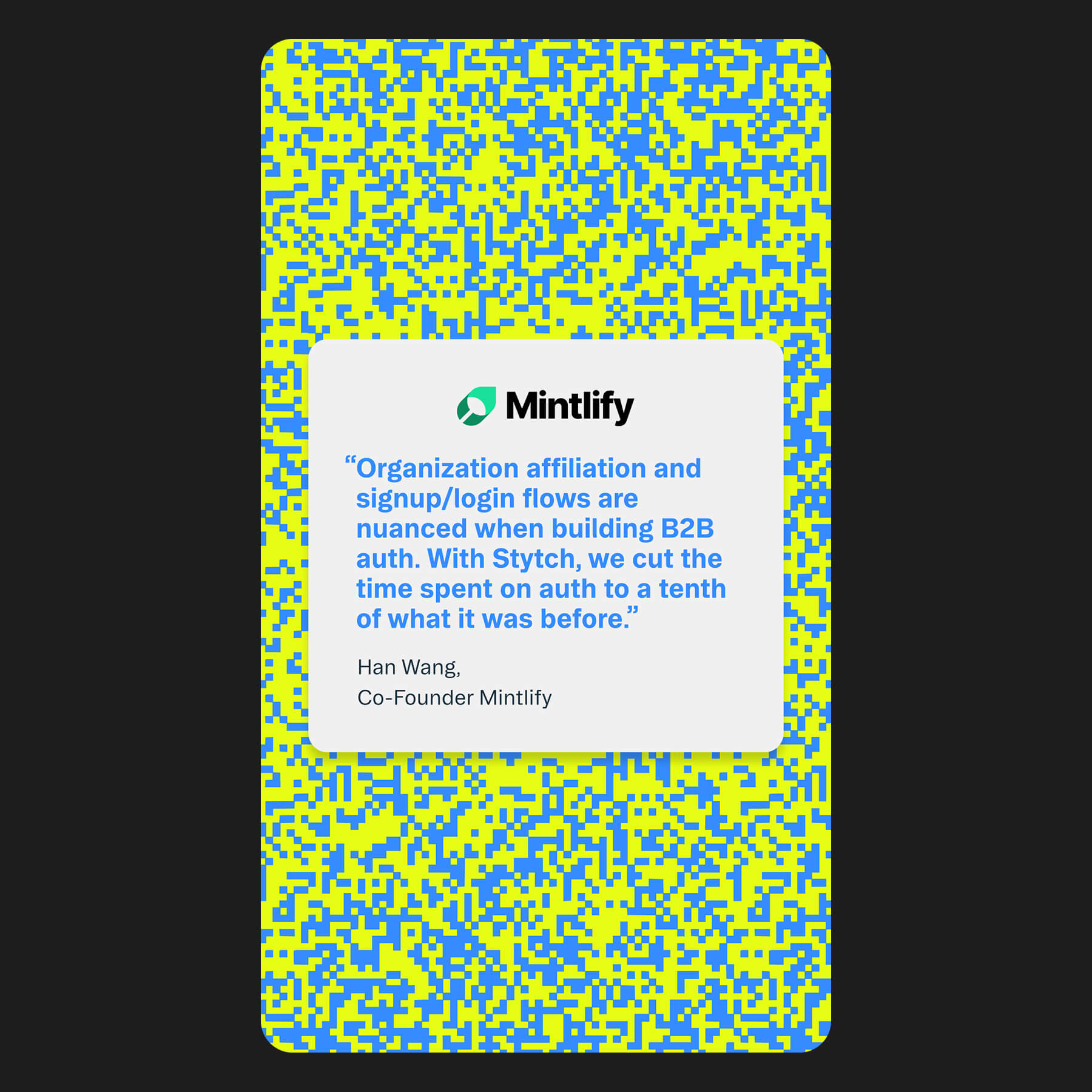
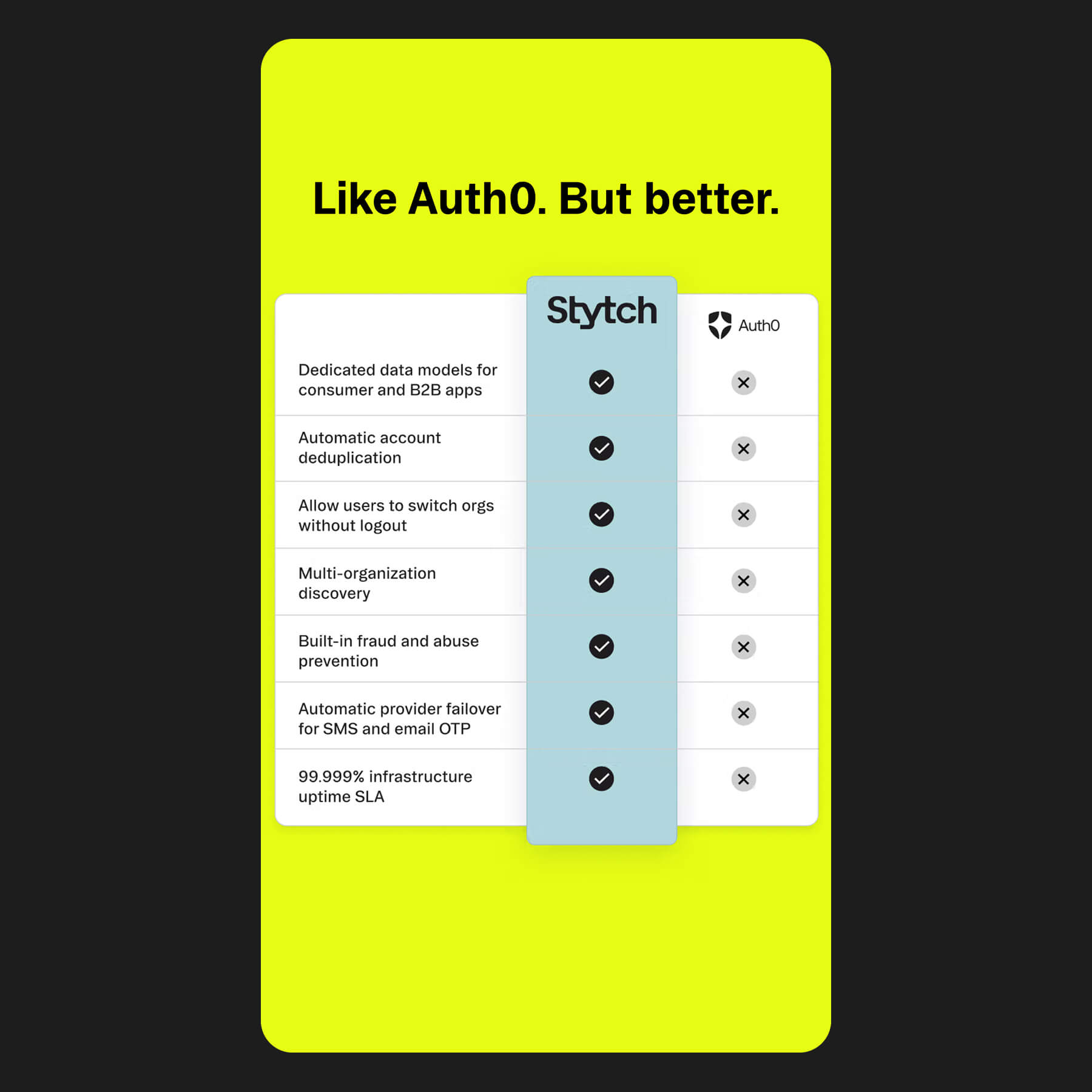
I provided ongoing creative strategy, ad design, video production, and print design across Stytch's growth efforts. We continuously tested different creative approaches across Meta and LinkedIn, including incentives, testimonials, comparisons, low-fidelity screenshots, and in-context concepts.
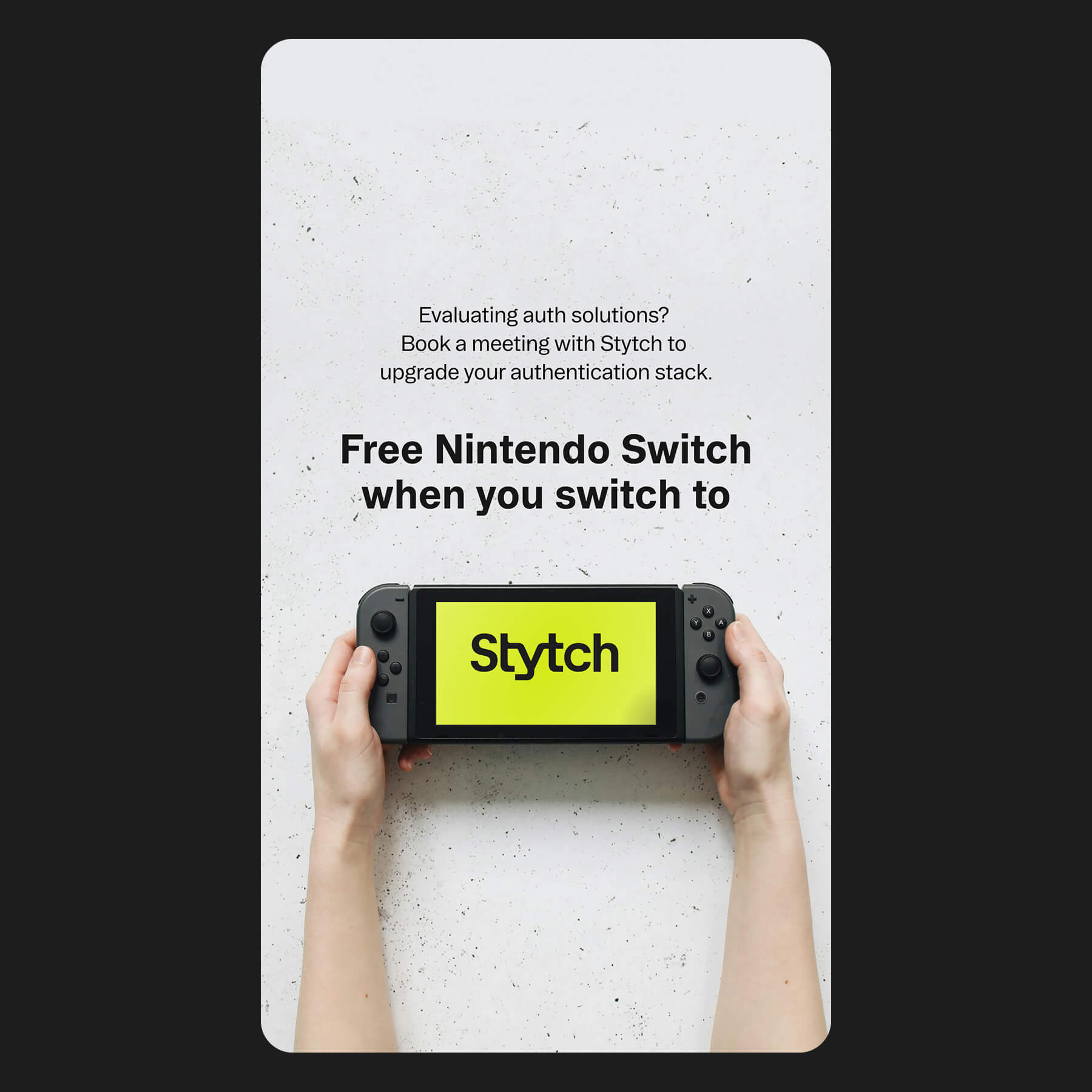
One of the strongest formats was an incentive-based ad offering Nintendo Switches to prospective customers. The campaign performed so well that Stytch eventually ran out of units to send.
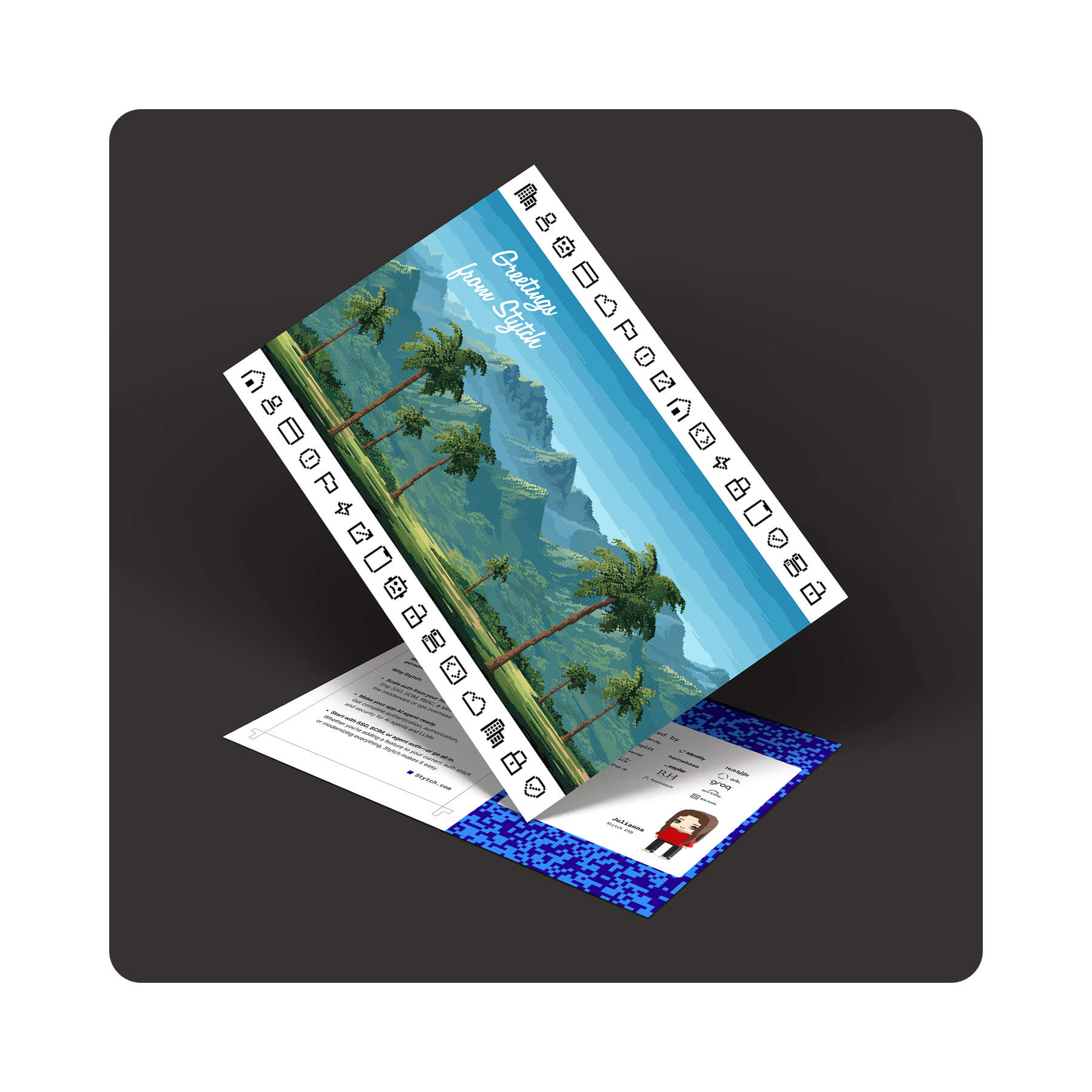
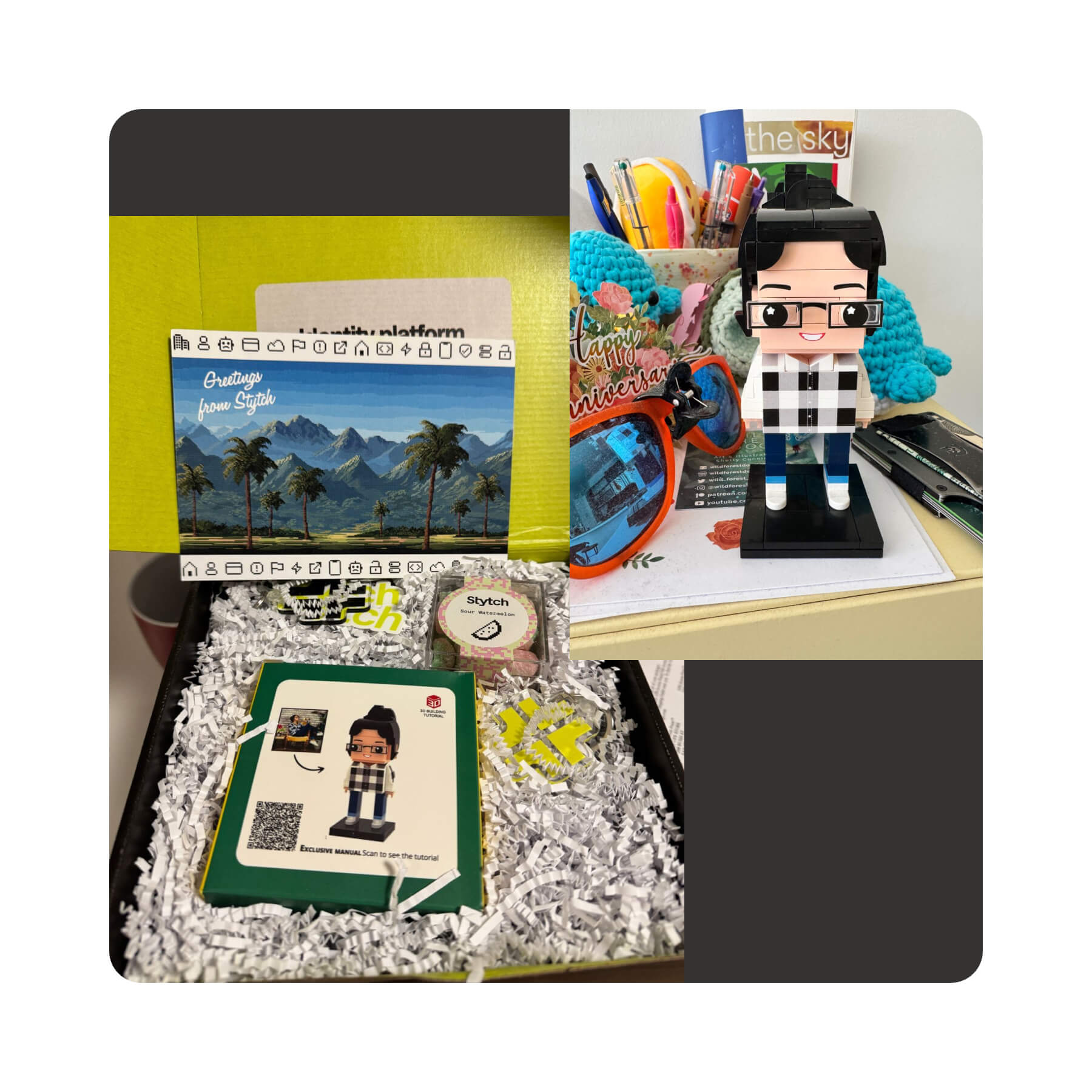
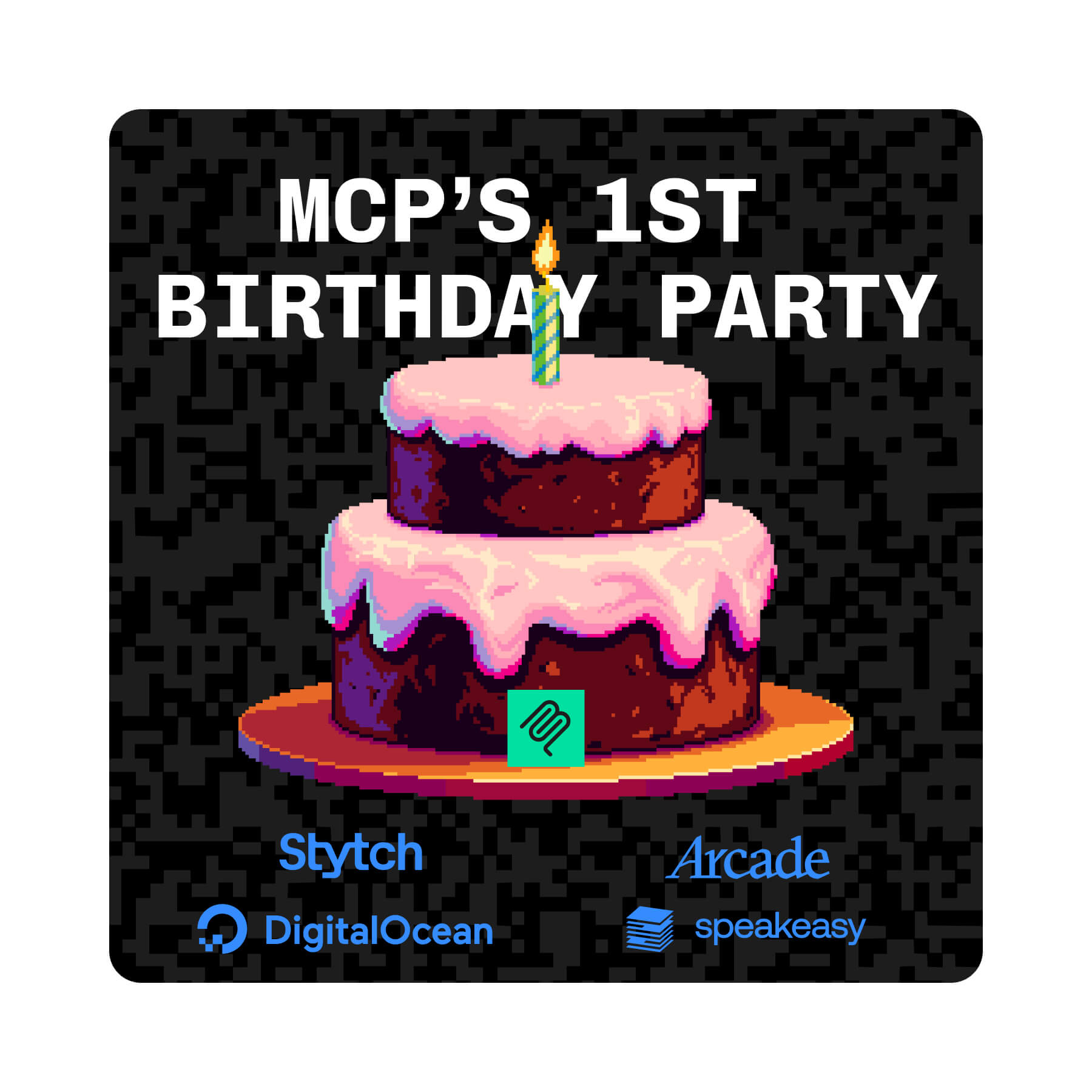
Beyond paid creative, I extended the work into account-based outreach and real-world experiences — creating branded gift boxes with custom Lego-style developer builds, postcards, event graphics, panel backdrops, and animated screens.
Case Study
Right away, offering incentives became a repeatable winning format. We iterated on the offer, visual treatment, and messaging until we found a combination that consistently drove demos from technical decision-makers.
The work wasn't limited to performance creative. Working across multiple stakeholders, I helped create a connected system of digital and physical touchpoints — from paid ads to gift boxes, invitations, and event materials.
The work gave Stytch a more distinctive creative presence across the acquisition journey—from paid and organic social to physical experiences and events.
Campaign concepts generated measurable engagement while creating a broader visual language the brand could use across channels.

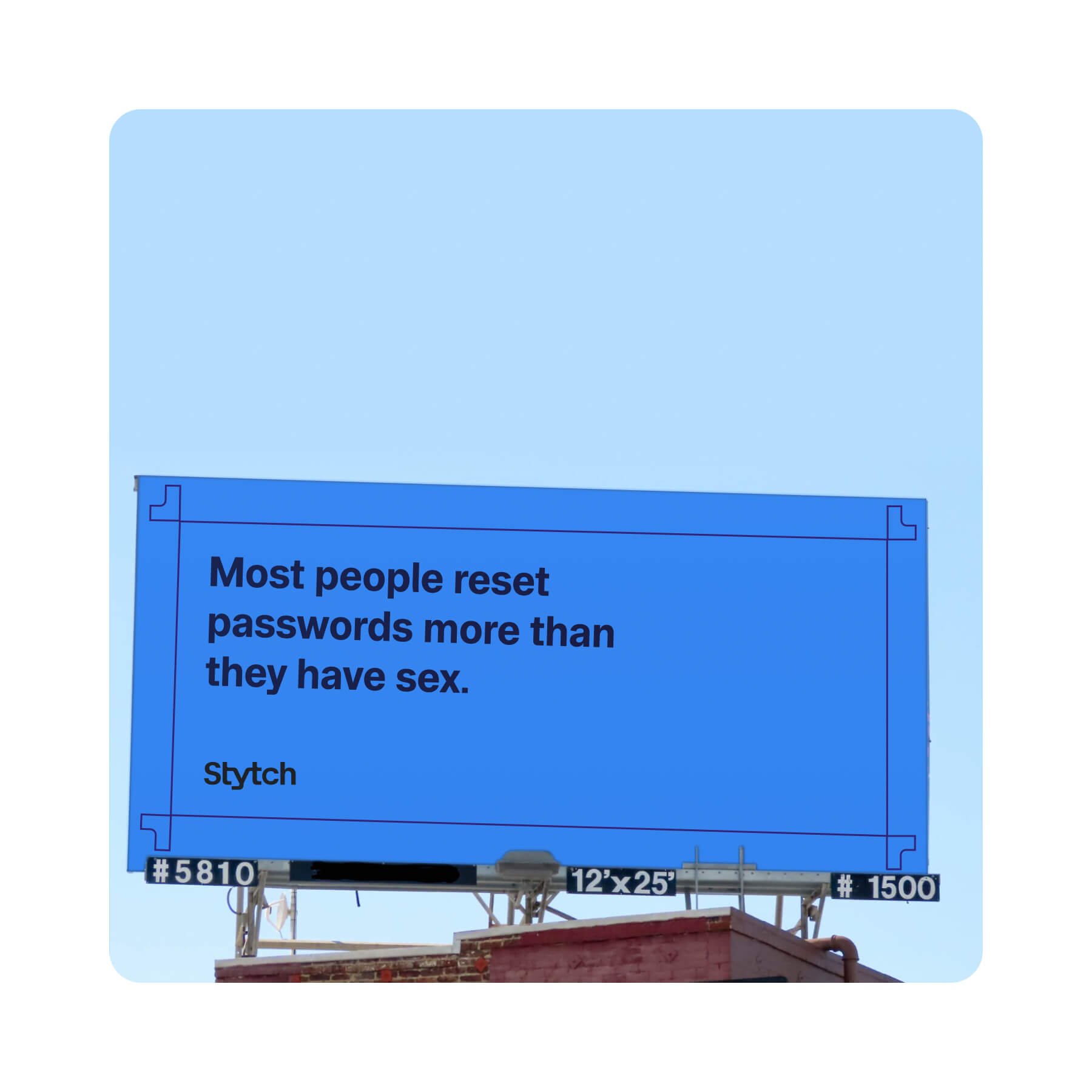
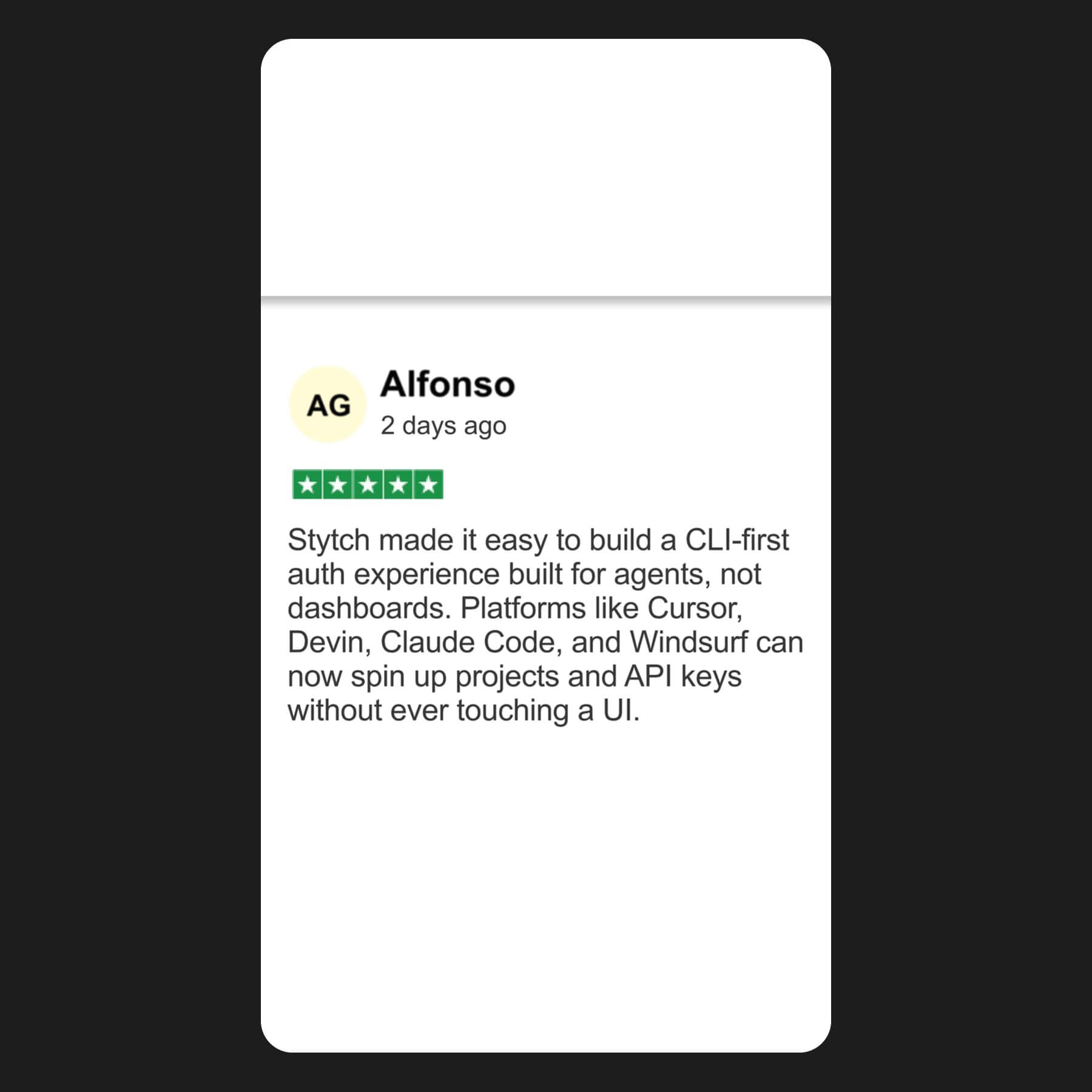
Other winning formats came from making ads feel less like ads. In-context concepts like book covers and billboards gave the message an immediate visual hook, while low-fidelity ads modeled on real user reviews became some of the strongest performers.
The result was a set of repeatable creative formats that improved acquisition performance, lowered CAC, and generated higher-quality conversions.
The best B2B creative doesn't make a technical product less technical. It makes the value easier to understand—and gives people a reason to care.
For Stytch, that meant turning an invisible infrastructure product into a tangible, culturally relevant creative system that could work across acquisition, ABM, events, and brand.
My role was to connect the business problem to the creative idea—and then build enough of a system for that idea to scale.